

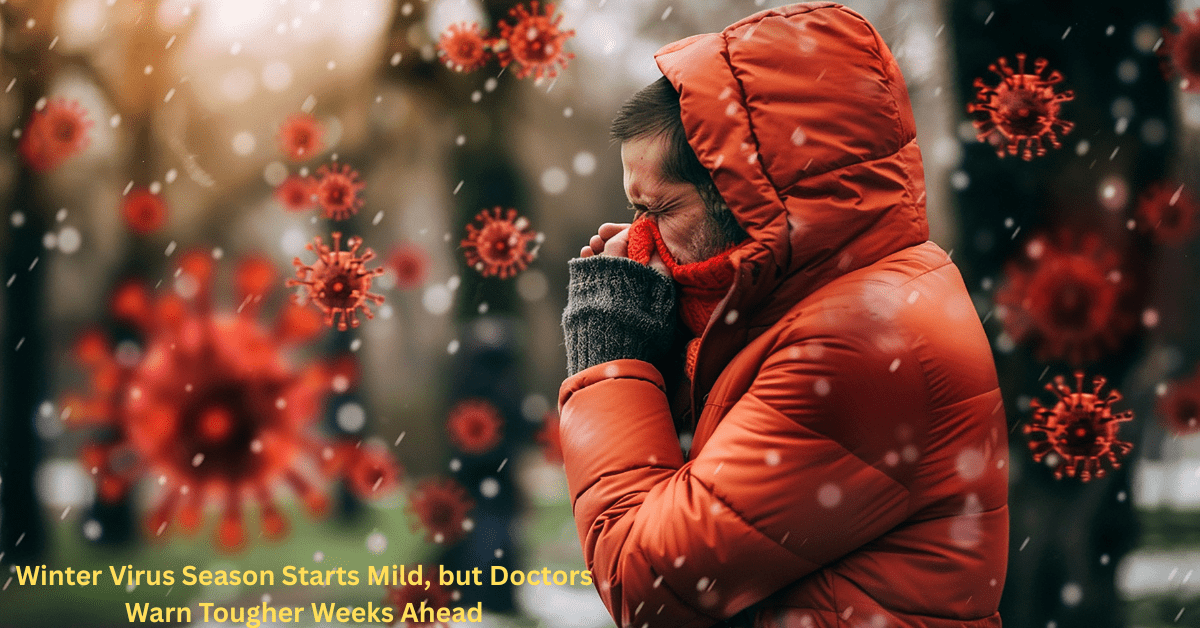
As winter spreads across the United States, seasonal illnesses are once again becoming part of daily life. Every year, colder months bring a familiar rise in coughs, fevers, sore throats, and stomach problems. After several intense virus seasons in recent memory, many Americans expected another difficult winter. Instead, the early weeks of the current season have been surprisingly mild. While this has provided some relief, doctors and public health experts warn that the situation could still change quickly.
Early data shows that major winter viruses are circulating at lower levels than usual. Hospitals are not yet overwhelmed, and widespread outbreaks have not occurred in most regions. Still, medical professionals caution that winter virus seasons often evolve slowly before accelerating later. A quiet start does not guarantee an easy ending, and the coming months remain unpredictable.
A Slower Start Than Many Expected
Compared to recent winters, overall illness levels have remained relatively low. Emergency rooms and urgent care clinics are seeing patients with respiratory symptoms, but numbers remain manageable. Hospital admissions related to severe respiratory illness are rising gradually rather than sharply, giving healthcare systems some breathing room.
This slower start stands out because recent seasons placed significant strain on hospitals. Many facilities are relieved to see a calmer beginning, but administrators remain cautious. Virus trends can shift rapidly, and healthcare leaders know that preparation must continue even during periods of lower activity.
Doctors emphasize that early-season data is not a reliable predictor of how severe the full winter will become. In many past years, virus activity remained limited until after the holidays, followed by sudden increases in January or February.
Why Winter Creates Ideal Conditions for Viruses
Winter provides the perfect environment for many viruses to spread. Cold weather pushes people indoors, increasing close contact in homes, schools, workplaces, and public spaces. When people spend more time together in enclosed areas, viruses have more opportunities to pass from person to person.
Dry air during winter months also plays a role. Low humidity can dry out nasal passages, reducing the body’s natural defenses and allowing viruses to infect more easily. Seasonal routines such as holiday travel, family gatherings, and school attendance further increase exposure.
Because these conditions intensify as winter progresses, health experts expect virus transmission to rise even if early numbers remain low.
Influenza Activity Remains Limited for Now
Influenza, commonly called the flu, is one of the most closely monitored winter viruses. So far, flu activity across most of the country has remained low. Only a small number of states are reporting moderate levels, while the majority continue to see minimal spread.
This pattern suggests that the flu season has not yet reached its peak. Historically, flu cases often rise later in winter, sometimes not reaching their highest levels until early spring. As a result, doctors remain cautious about interpreting early trends.
Some influenza strains are known to cause more severe illness, especially among older adults. Early surveillance suggests that a strain linked to higher hospitalization rates is circulating this year. While this does not guarantee a severe season, it increases uncertainty about how the coming months will unfold.
Vaccine Effectiveness and Ongoing Concerns
Vaccination remains one of the most effective ways to reduce flu-related complications. Even when vaccines do not perfectly match circulating strains, they still help lower the risk of hospitalization and severe illness.
Doctors stress that vaccines work by preparing the immune system, not by preventing every infection. People who receive flu shots often experience milder symptoms and recover more quickly. This protection becomes especially important for older adults, young children, pregnant individuals, and people with chronic health conditions.
Health officials continue to encourage vaccination, noting that it remains beneficial even later in the season.
RSV: A Delayed but Developing Pattern
Respiratory syncytial virus, or RSV, is another virus that draws close attention each winter. RSV often causes mild cold-like symptoms, but it can lead to serious illness in infants, seniors, and people with weakened immune systems.
This year, RSV activity began later than usual. Early reports showed fewer cases compared to typical seasonal patterns. Recently, however, infections have started to increase in some areas, suggesting that the RSV season may simply be delayed rather than reduced.
Doctors warn that delayed RSV seasons can still produce sharp spikes. Pediatric hospitals are especially alert, as RSV remains a leading cause of hospitalization for young children during winter months.
New Tools May Reduce RSV Severity
Recent medical advances have introduced new options to protect against RSV. Vaccines for older adults and protective treatments for infants are now available, offering hope for reduced severity.
While these tools represent progress, they are not yet widespread. Many people remain unprotected, and access varies by location and awareness. As RSV cases rise, doctors continue to stress early recognition of symptoms and prompt medical care for vulnerable individuals.
COVID-19: Lower Levels, Ongoing Risks
COVID-19 activity remains lower than during earlier winters of the pandemic. Hospitalizations and severe cases have not shown major increases so far, which many experts view as a positive sign.
Widespread immunity from past infections and vaccinations has helped reduce the virus’s overall impact. However, COVID-19 has not disappeared. It continues to circulate at low levels and still poses a risk, particularly for older adults and those with underlying health issues.
Vaccination rates for updated doses remain lower than health officials would like. Many people have chosen to skip boosters, assuming the virus no longer poses a serious threat.
Why Experts Still Monitor COVID-19 Closely
Doctors caution that immunity can fade over time. If vaccination levels remain low and new variants emerge, COVID-19 could resurge later in winter.
Lower current activity should not lead to complacency. Health officials emphasize that continued monitoring and preventive measures remain important, especially for high-risk populations.
Stomach Viruses Are Also Part of Winter
Winter illness is not limited to respiratory infections. Norovirus, a highly contagious stomach virus, often increases during colder months. It spreads easily through contaminated food, surfaces, and close contact.
Norovirus outbreaks are common in schools, nursing homes, and shared living environments. Symptoms include vomiting, diarrhea, and stomach cramps, and outbreaks can spread quickly once they begin.
Recent trends suggest an increase in stomach virus activity, adding another challenge for families and care facilities during winter.
How Past Seasons Influence Present Risks
Last winter brought high levels of illness and hospital strain in many areas. Severe seasons can influence future patterns, but not always predictably.
Widespread illness can temporarily boost immunity, but that protection may fade or become less effective if viruses change. As a result, doctors caution against assuming that one mild season will automatically follow a severe one.
Virus behavior varies year to year, making long-term predictions difficult.
Why Doctors Remain Cautious
Medical professionals emphasize that winter virus seasons often unfold in stages. A quiet early phase can quickly give way to rapid increases, especially after major holidays.
Hospitals are using this early calm to prepare. Many facilities are reviewing staffing plans, monitoring supply levels, and tracking trends closely to avoid being caught off guard.
Preparedness, experts say, is key to managing uncertainty.
The Continued Importance of Vaccination
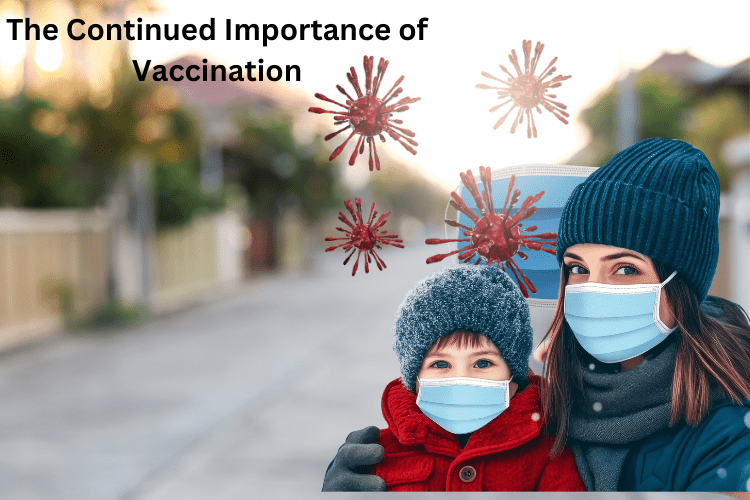
Vaccines remain a cornerstone of winter illness prevention. Even when effectiveness varies, they consistently reduce severe outcomes and ease pressure on healthcare systems.
Doctors encourage people to view vaccination as a protective layer rather than a guarantee. Combined with other precautions, vaccines help communities weather virus seasons more safely.
Simple Steps That Still Matter
Everyday actions play a significant role in limiting virus spread. Regular handwashing, staying home when sick, covering coughs, and improving indoor airflow can reduce transmission.
These habits may feel familiar, but they remain among the most effective defenses against seasonal illness.
Protecting Vulnerable Populations
Certain groups face higher risks from winter viruses. Infants, seniors, pregnant individuals, and people with chronic conditions are more likely to experience severe illness.
Families are encouraged to take extra care when interacting with vulnerable loved ones. Avoiding visits when sick and practicing good hygiene can help protect those at greater risk.
Mental Health and Seasonal Uncertainty
Uncertainty about illness can affect mental well-being. After years of heightened health concerns, many people feel anxious about what winter may bring.
Health experts suggest focusing on preparedness rather than fear. Staying informed and taking reasonable precautions can help reduce stress and maintain a sense of control.
What the Next Months Could Bring
January and February are typically the most active months for winter viruses. These weeks will likely determine whether this season remains mild or becomes more challenging.
If virus activity stays low, the season could end as one of the quieter ones in recent years. If cases rise sharply, healthcare systems may again face pressure.
At this point, both outcomes remain possible.
How Healthcare Systems Are Preparing
Hospitals and public health agencies continue to track virus data closely. Many are using lessons learned from past seasons to improve readiness and response.
The focus remains on early detection, clear communication, and protecting vulnerable populations.
A Balanced Message for the Public
Doctors urge the public to stay aware without panicking. The goal is neither fear nor complacency, but informed action.
Monitoring local health guidance, making thoughtful vaccination decisions, and practicing basic prevention measures can help individuals contribute to community health.
Conclusion: Calm Now, Caution Still Wise
The winter virus season has begun more quietly than many expected, offering welcome relief after several difficult years. However, experts emphasize that winter is still unfolding.
With flu, RSV, COVID-19, and stomach viruses all capable of increasing, continued vigilance remains important. The early calm presents an opportunity to prepare, protect vulnerable groups, and reduce the overall impact of seasonal illness.
How this winter ultimately unfolds will depend on virus behavior, public response, and preventive actions. Staying informed, proactive, and considerate of others may make the difference between a manageable season and a challenging one.
Frequently Asked Questions (FAQ)
What is meant by the winter virus season?
The winter virus season refers to the time of year, usually from late fall through early spring, when illnesses like flu, RSV, COVID-19, and stomach viruses become more common. Colder weather, indoor gatherings, and lower humidity help these viruses spread more easily.
Why does the virus season feel mild so far this year?
So far, overall infection levels have remained lower than in many recent winters. Hospital visits and severe cases are rising slowly rather than sharply. However, experts note that winter virus seasons often peak later, so early calm does not guarantee a mild season overall.
Which viruses are doctors most concerned about this winter?
Doctors are closely monitoring influenza, RSV, COVID-19, and norovirus. While current activity is low to moderate, these viruses have a history of increasing later in winter and can still cause serious illness in vulnerable groups.
When do winter viruses usually peak?
Most winter viruses tend to peak between January and February. Some seasons even extend into early spring. That is why health experts remain cautious even when early winter numbers are low.
Is the flu vaccine still useful if the season has already started?
Yes. Getting a flu vaccine later in the season can still provide protection. Vaccination helps reduce the risk of severe illness, hospitalization, and complications, even if it does not prevent every infection.
Who is at the highest risk from winter viruses?
Infants, older adults, pregnant individuals, and people with chronic health conditions face higher risks. These groups are more likely to experience severe symptoms and may need medical care if infected.
What are the most common symptoms of winter viruses?
Symptoms vary by virus but often include fever, cough, sore throat, congestion, fatigue, body aches, vomiting, or diarrhea. Some viruses mainly affect the respiratory system, while others impact the stomach and digestive tract.
How can people reduce their risk of getting sick?
Simple steps remain effective, including frequent handwashing, staying home when ill, covering coughs and sneezes, improving indoor ventilation, and avoiding close contact with others when symptoms appear.
Are stomach viruses also common in winter?
Yes. Norovirus and other stomach illnesses often increase during winter months. These viruses spread easily in shared spaces such as schools, care facilities, and households, especially through contaminated surfaces or food.
Should people be worried right now?
Health experts advise awareness rather than panic. Current trends are manageable, but winter virus seasons can change quickly. Staying informed, taking preventive steps, and watching for symptoms is the best approach.
What should someone do if they start feeling sick?
Anyone experiencing symptoms should rest, stay hydrated, and avoid contact with others when possible. If symptoms worsen or if the person is in a high-risk group, seeking medical advice is recommended.
Read More Blog..
