

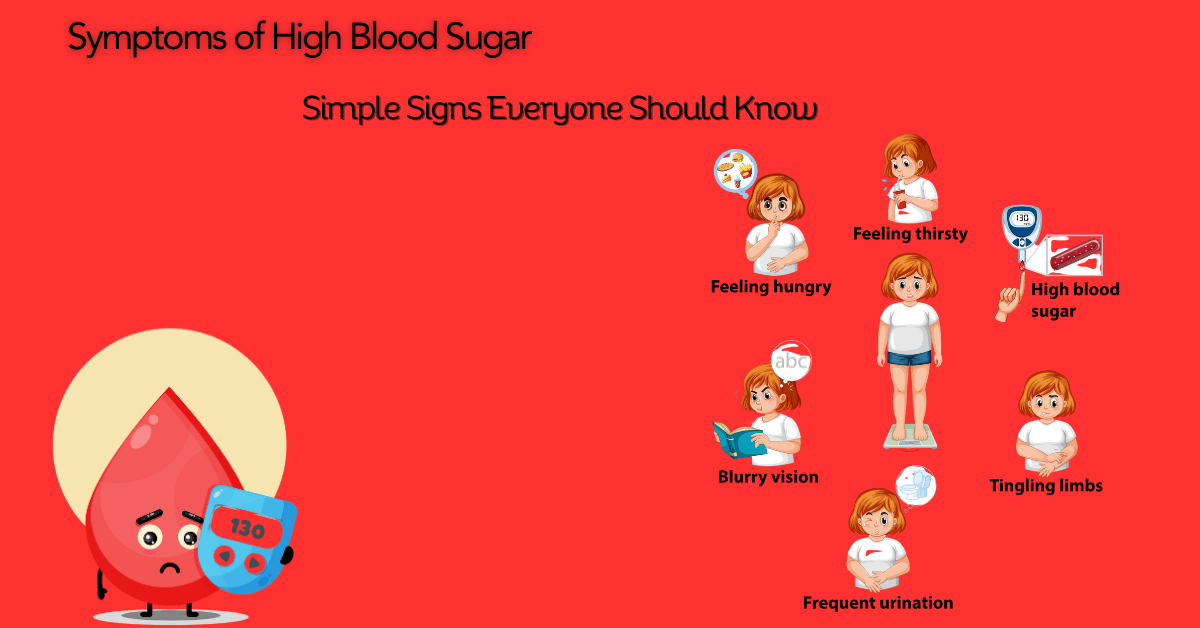
The human body is often compared to a complex machine, a biological engine that requires fuel to function properly. This fuel is glucose, a simple sugar derived from the food we consume. However, for this engine to run smoothly, the fuel delivery system must be very accurate to a certain extent. When this system is not working properly, glucose starts to build up in the bloodstream rather than reaching the cells. This leads to a condition known as hyperglycemia, or high blood sugar.
In this blog, we will discuss what high blood sugar is and its symptoms in an easy-to-understand way, helping you recognize the signs your body might be trying to send you. By the end, you’ll know exactly what to look for and why acting quickly can really help protect your long-term health.
Understanding High Blood Sugar
When there is an excessive amount of sugar in your blood, it is known as a high blood sugar condition, also medically known as hyperglycemia. If ignored for a long time, it can harm parts of the body like the eyes, nerves, kidneys, and blood vessels.
Normally, when you eat, your pancreas (a small organ inside your body) releases insulin. Insulin then helps the sugar to enter your cells for energy production, and naturally, your blood sugar levels return to normal.
But when your body doesn’t make enough insulin or can’t use it properly, for example, in diabetes, sugar builds up in your bloodstream. Many health experts warn that high blood sugar is common and often goes unnoticed at first, but if ignored for too long, it can slowly harm your overall health.
Common Symptoms of High Blood Sugar
These symptoms usually appear gradually. They tend to develop gradually. If you find several of these happening at the same time, and they continue for days or even weeks, it’s a smart choice to have your blood sugar checked or consult a doctor. Early attention can make a significant difference. Below, I have given some of the symptoms of high blood sugar in the early stages:
- Peeing A Lot (Frequent Urination)
When your blood sugar levels are high, your kidney tries hard to remove the extra sugar through urine. This means you’ll need to use the restroom more often, even waking you up at night. According to studies, it’s common for people with high blood sugar levels to urinate more frequently than normal.
- Feeling Very Thirsty
Because of peeing more frequently, you lose more water, which makes you very thirsty. This thirst isn’t relieved by a quick drink; you’ll find yourself constantly drinking water. Health studies indicate that dry mouth and extreme thirst are common symptoms of high blood sugar. Drinking excessive amounts of water is a common symptom indicating that your body is processing too much sugar.
- Feeling Hungrier Than Usual
It might seem normal, but feeling hungrier and more tired is a sign of high blood sugar in your body. When cells do not receive the necessary nutrients to produce energy, your body interprets this as starvation, leading you to eat more than usual. NIH confirms that feeling very hungry, even after eating something, is one of the common symptoms of high blood sugar levels.
- Feeling Tired or Weak
Feeling very tired or weak is one of the common symptoms of high blood sugar. You feel more tired and have low energy because your body’s cells are not getting the glucose they need for energy production to keep you energized throughout the day. It can make you feel worn out even though you rest a lot.
- Blurred Vision
High blood sugar can cause things to look blurry or out of focus. Medical sources also say that blurred vision is one of the symptoms of high blood sugar levels. This effect is often temporary, and your vision may come back to normal when blood sugar levels are healthy again, but it is a sign that you should get your sugar levels checked.
- Dry Skin or Mouth
Continuous thirst and increased urination can lead to dryness in your skin and mouth. Research indicates that people with high blood sugar levels are more likely to experience a dry mouth and tend to drink a lot of water. It can also make your lips and eyes dry.
- Slow Healing and More Infections
High blood sugar levels can make your immune system weak and reduce blood flow, which can slow the healing of your cuts and make infections easier to get. The NIH also confirms that slow healing and frequent infections are common symptoms of high blood sugar levels. A minor foot wound that takes longer than usual to heal is a sign that you should get your blood sugar checked.
These symptoms are often the body’s early warning signs. Regular checkups are so important that they help detect high blood sugar early, before it turns into a bigger health problem.
Signs That Mean It Might Be Getting Serious
If high blood sugar is left unattended and you don’t take any healing measures for a long time, it can get worse and affect you in the long term. You require immediate checkups and proper healing measures if you are getting any of the following symptoms.
- Nausea, vomiting, and belly (stomach) pain can often happen in diabetic ketoacidosis (DKA), a serious complication more common in Type 1 diabetes.
- Fast, deep breathing or breath that smells fruity is another DKA sign.
- Very sleepy, confused, or fainting frequently are signs of extreme blood sugar problems, like DKA or a hyperosmolar state, which can affect the brain and be life-threatening.
- Very dry skin, a weak, rapid pulse, or severe dehydration can be signs that your body is losing too much fluid.
If you notice any of these symptoms of high blood sugar, please seek medical help quickly. Health experts describe these as emergency situations that need urgent treatment.
Read Also– SugarMute Reviews
How Symptoms Can Vary in Children
Kids sometimes show the classic signs like frequent peeing, extreme thirst, sudden weight loss, and being worn out, but they might also say they have a stomach ache, are unusually cranky, or are wetting the bed.
Parents and teachers should watch for sudden changes in behavior, appetite, or energy. If a child is suddenly drinking and peeing a lot or losing weight, see a doctor right away. The symptoms in younger people can develop quickly, especially in a person with Type 1 diabetes.
What Causes Blood Sugar To Rise?
- Insulin not working properly can increase blood sugar levels.
- Eating too much sugar or carbs can increase blood sugar levels.
- Long-term illness or infection can also contribute to elevated blood sugar levels.
- Constantly being stressed can raise your blood sugar levels.
- Certain medicines, such as steroids, can increase blood sugar levels.
- Hormone changes or pregnancy can affect how the body controls sugar.
- Less physical activity means your body uses less sugar, leading to a blood sugar rise.
Knowing these helps you spot when you might be at risk and take action. The Centers for Disease Control and other health groups list these as common triggers for high blood sugar.
Managing Blood Sugar and Staying Healthy
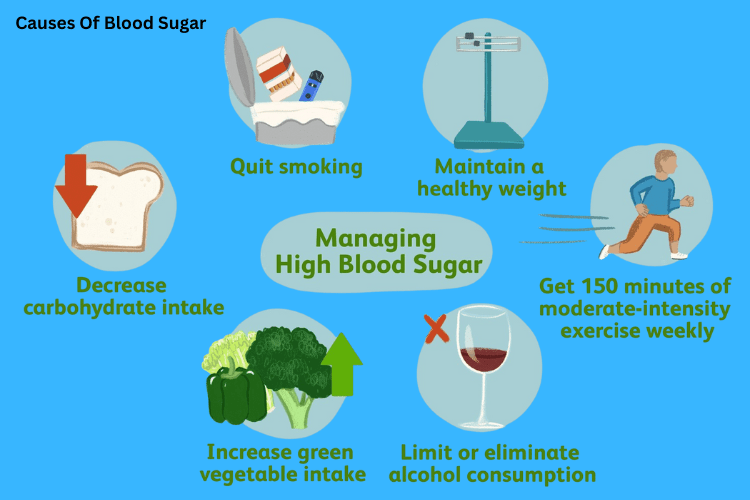
There is also good news: high blood sugar can be managed and often prevented by adopting small healthy habits and seeking proper medical care. If you have diabetes or your doctor thinks you might have it, follow their prescribed diet, exercise, and medicine. By following the methods listed below, you can manage high blood sugar levels and keep them under control:
Eat a Balanced Diet
Try to eat a balanced diet filled with whole grains, plenty of vegetables, fruits, and lean protein. Try to avoid sugary snacks, sweets, and sweetened drinks. Even the NHS recommends avoiding foods, such as cakes or sugary drinks, that spike your blood sugar levels. A healthy, balanced diet helps prevent high blood sugar.
Control Portions
With a balanced diet, it’s also important that you eat the right amount. Try eating smaller portions and waiting a while before consuming more if you have a tendency to overeat. Using small plates can help in this method.
Stay Hydrated
Drink enough water and keep yourself hydrated. Water or sugar-free drinks are the best option for keeping yourself hydrated. This helps you against dehydration from high blood sugar. Health experts also recommend having plenty of sugar-free drinks, which can help you against dehydration without spiking your blood sugar.
Exercise Regularly
Exercising regularly is one way to keep your blood sugar under control because it helps your body use carbohydrates (glucose) for energy production. Try to do at least 30 minutes of daily exercise, like brisk walking, jogging, cycling, dancing, or playing any sport you enjoy. The NHS also says that regular exercise, such as walking, can help lower your blood sugar levels.
Check Your Blood Sugar Levels
Check your blood sugar levels frequently, especially if you have diabetes. This helps you see how your food choices, exercise, and medicines affect your blood sugar so that you can make small changes based on the results.
Take Medicines As Prescribed
If your doctor has prescribed you medications, you should follow them exactly as directed. If you skip and don’t take them as prescribed, it can lead to high blood sugar levels. Always consult your doctor before you change anything in your medication.
Get Enough Sleep And Manage Stress
Getting proper sleep of 7-9 hours each day and managing your stress levels are critical to having healthy blood sugar levels. Deep breathing, talking to a friend, or doing a hobby you enjoy can help you manage stress. Both of these factors are important to prevent high blood sugar levels.
By following a healthy lifestyle, using these methods, and following doctors’ advice, you can help keep your blood sugar in a safe range most of the time.
Frequently Asked Questions
What is high blood sugar?
High blood sugar is a condition in which there is too much sugar (glucose) in your blood. Your body struggles to use glucose properly, usually because insulin either functions poorly or is produced insufficiently.
What are the most common symptoms of high blood sugar?
Some of the common symptoms of high blood sugar include feeling very thirsty, peeing a lot, feeling drained, and having blurry vision.
Can high blood sugar cause weight loss?
Yes, especially if it stays high for a long time. When your cells cannot use sugar for energy, your body starts burning fat and muscle instead, which can lead to weight loss.
Is it possible to have high blood sugar and feel normal?
Yes. Some people do not have symptoms at first. That is why regular blood sugar testing and visits to the doctor are important, especially if you are prone to diabetes.
Can high blood sugar be dangerous if not treated?
Yes. If not treated for a long time, it can be dangerous for your eyes, kidneys, nerves, heart, and blood vessels. This damage happens slowly, so managing blood sugar early helps protect your body for the future.
Final Thought
High blood sugar, also known as hyperglycemia, is not simply an increased glucose level. It’s the body’s quiet way of saying something isn’t working quite right. Instead of giving your cells the energy they need, sugar piles up in the bloodstream, sending gentle warning signals that shouldn’t be ignored.
High blood sugar can cause symptoms, including always being thirsty, having blurry vision, feeling drained, or having mood swings. If you see these signs, you should get your blood sugar checked right away and start doing things like eating balanced meals, staying active, and taking the medicine your doctor tells you to. By listening to the early signs your body gives, you can keep blood sugar in control and protect your long-term health.

I now use home remedies like turmeric tea and ginger every day. These simple, plant-based solutions help my body heal itself. Nature gives us all we need to stay healthy, without complicated formulas.