

Introduction
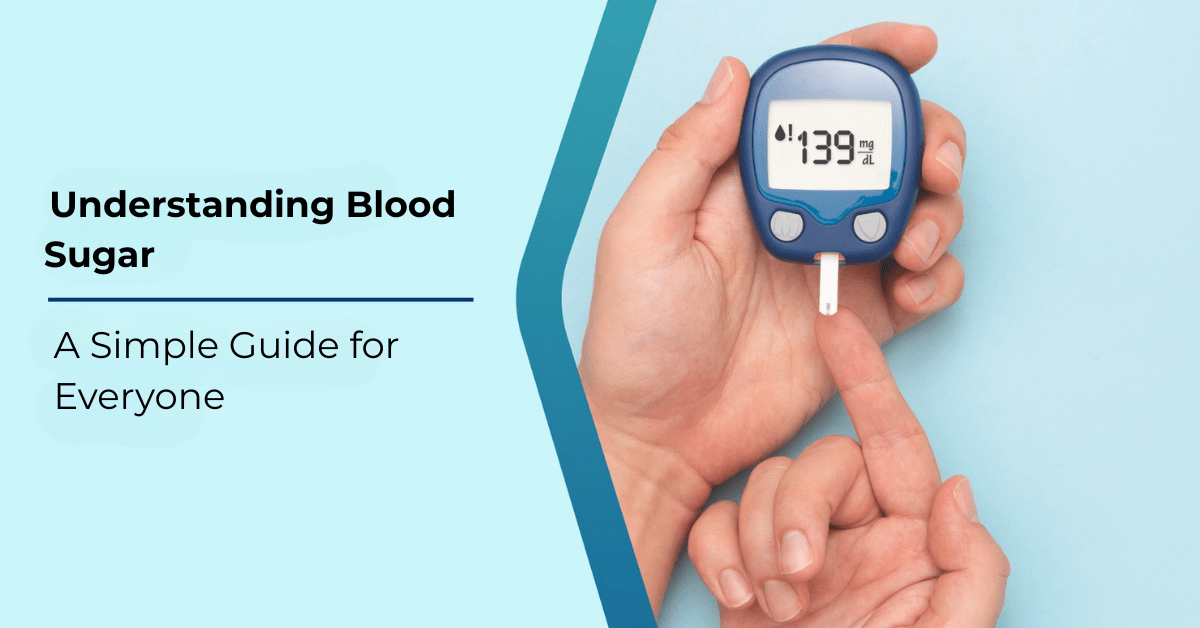
Have you ever experienced sudden fatigue in the afternoon or experienced an increase in energy after eating? Your blood sugar levels cause these sudden feelings. Think of blood sugar as your body’s source of energy that helps your body function properly without any issues. It is also known as glucose, and that’s what gives you energy to think, move, play, and live as you want. Knowing about it can make a significant difference in your life.
In this blog, we’ll cover everything regarding blood sugar, including what it is, why it matters, how to keep it normal, and what happens when things go wrong. By the end, you’ll be able to make informed and healthy decisions about your health and avoid major health issues.
What Exactly is Blood Sugar?
Blood sugar is the amount of glucose that is moving through the bloodstream. The carbohydrates you eat, like bread, rice, fruits, vegetables, and even sugary foods, help your body make glucose. The digestive system in your body breaks down these carbs into glucose, which is then delivered to your cells through the blood for energy production.
How Does Your Body Use Blood Sugar?
When you eat something:
- Your digestive system breaks down food into smaller pieces
- Carbohydrates are converted into glucose
- Glucose enters your bloodstream
- Your blood transports it to your every body part
- Your cells absorb glucose and convert it into energy (ATP)
- This energy powers everything from your heartbeat to your thoughts to your movements
There is just about one teaspoon of sugar in the blood of a healthy person at all times. Even though the glucose is in a small amount, your body works hard to keep it in balance. Your pancreas, liver, and other hormones are always talking to each other to keep your blood sugar in a healthy range.
Read Also- Blood Sugar Reviews
Normal Blood Sugar Levels
The World Health Organization (WHO), the Centers for Disease Control and Prevention (CDC), and the American Diabetes Association (ADA) say that these are normal blood sugar levels for healthy individuals and tests that can help you check them.
| Test Type | Normal Range | When to do |
|---|---|---|
| Fasting Blood Sugar | 70-99 mg/dL | After 8+ hours without food |
| Random Blood Sugar | Varies | Can be measured anytime |
| 2 Hours After Eating | Below 140 mg/dL | Post-meal reading |
| A1C Test | Below 5.7% | Average over 3 months |
Please remember that these numbers are general guidelines. Because your body is unique, depending on your age, your current health, or the prescriptions you’re taking, your personal ‘normal’ might look a little different.
How Your Body Controls Blood Sugar
Your body has a smooth system for maintaining blood sugar in balance. A small organ called the pancreas produces a crucial hormone, insulin, which plays a key role in maintaining blood sugar balance.
The Insulin Process:
When you eat:
- Blood sugar increases as glucose enters your bloodstream
- Your pancreas detects this increase
- Then the pancreas releases insulin
- Insulin acts like a “key” that unlocks your cells to receive glucose
- Cells absorb glucose and use it for energy
- Blood sugar returns to normal
When you haven’t eaten (fasting):
- Your blood sugar levels start to drop
- Your pancreas notices this drop in blood sugar
- It releases a hormone called glucagon
- Glucagon signals the liver to release stored glucose
- Blood sugar comes back to normal levels
High Blood Sugar (Hyperglycemia)
High blood pressure or hyperglycemia occurs when blood sugar goes up more than 180 mg/dL over a long period of time. There are various reasons, like diet, stress, illness, or the early stages of diabetes, for having this high blood sugar condition.
Early Warning Signs of High Blood Sugar:
- Excessive thirst (also called polydipsia)
- Frequent urination, even during sleep
- Fatigue and weakness
- Blurred eyesight
- Difficulty in concentrating
- Increase in hunger
- Frequent headaches
Long-Term Symptoms (If Untreated):
- Dry mouth and skin
- Infections and cuts that heal slowly
- Breath that smells like fruit
- Unexplained weight loss
- Frequent urinary or skin infections
- Feeling numb or tingling in the hands and feet
Why High Blood Sugar is Dangerous:
High blood sugar levels over time can cause glucose toxicity, which can cause:
- Diabetic retinopathy can result in a loss of vision
- Kidney disease leading to failure
- Higher chance of having a stroke or heart attack
- Peripheral neuropathy happens (numbness and pain)
- Limited blood flow to the ends of the body
Low Blood Sugar (Hypoglycemia)
Low blood sugar, or hypoglycemia, is a condition in which your glucose level drops below 70 mg/dL. This condition can happen to anyone and requires immediate medical attention, especially in people with diabetes who are on diabetes medications.
Early Symptoms of Low Blood Sugar:
- Sudden intense hunger
- Trembling or shakiness
- Excessive sweating
- Fast or irregular heartbeat
- Dizziness or lightheadedness
- Nervousness or anxiety
- Sudden irritability or mood changes
- Difficulty concentrating
- Pale skin
- Tingling lips or mouth
Severe Hypoglycemia Symptoms:
- Confusion or disorientation
- Slurred speech
- Loss of body coordination
- Blurred or tunnel eyesight
- Loss of consciousness
- A seizure or convulsion
Action for Low Blood Sugar:
- Please consume 15-20 grams of fast-acting carbohydrates right away
- Glucose tablets or gel
- 4-6 ounces of juice or regular soda
- 1 tablespoon of honey or corn syrup
- Sugar, candy, or gummy bears
- Wait 15 minutes and again measure the blood sugar if possible
- Eat a more substantial snack with protein and complex carbs once stable
- Call the emergency number if symptoms don’t improve or worsen
Understanding Diabetes: The Two Main Types
Type 1 Diabetes:
In this condition:
- Your pancreas doesn’t produce enough insulin or not at all
- You are usually diagnosed in childhood or young adulthood
- Your immune system attacks insulin-producing cells
- You require insulin therapy for life
- Cannot be prevented because the main reason is genetic
Type 2 Diabetes:
In this condition:
- Your pancreas produces insulin, but your body can’t use it properly
- You are usually diagnosed in adults, but are increasingly seen in younger people
- It is often linked to weight, physical activity, and lifestyle choices
- Can be prevented or healed with healthy lifestyle changes
Prediabetes: Your Last Chance to Prevent Diabetes
Prediabetes is a critical medical stage where your blood sugar levels are above the normal range, but you do not have diabetes yet. It’s like a warning stage in which you can still take actions and improve your blood sugar levels and maintain excellent health for a long period of time.
Prediabetes Blood Sugar Ranges:
- Fasting blood sugar level: 100-125 mg/dL
- 2 hours after eating: 140-199 mg/dL
- A1C test: 5.7-6.4%
The Good News is that if noticed in early stages, prediabetes is completely reversible. Studies show that losing just 5–7% of body weight combined with 150 minutes of weekly exercise can help prevent diabetes entirely or delay it for many years. You have power in this stage to save yourself!
8 Proven Strategies to Manage Blood Sugar Like an Expert
1. Master the Plate Method: Smart Food Choices
Best foods for controlling blood sugar levels in a healthy range:
| Food Type | Best Choices |
|---|---|
| Vegetables | Broccoli, spinach, kale, okra, bell peppers, green beans |
| Fruits | Berries, apples, citrus, avocados (portion control) |
| Proteins | Fish, chicken, turkey, eggs, tofu, Greek yogurt, legumes |
| Whole Grains | Oats, brown rice, quinoa, whole wheat bread |
| Seeds & Nuts | Chia seeds, flaxseeds, almonds, walnuts, pumpkin seeds |
Foods to Avoid:
- Sodas, fruit juices, energy drinks, and other sweet drinks
- Packaged foods and snacks that have been processed
- Refined grains and white bread
- Sweets and desserts
- Food that has been fried
- Foods that are high in saturated fat and salt
2. Eat in the Right Order
The Proven Sequence:
- Eat proteins and non-starchy vegetables first (5-10 minutes)
- Wait 30 minutes
- Then eat carbohydrates and starches
Why This Works:
- Fiber slows the absorption of glucose in the blood
- Protein delays stomach emptying
- Blood sugar levels increase 30% more gradually
- You have fewer energy crashes
- The insulin response is reduced
This simple technique can help reduce post-meal blood glucose spikes by up to 35%.
3. Make Balanced Meals for Steady Energy
According to the American Diabetes Association:
- Fill ½ of your plate with non-starchy vegetables, like broccoli, salad, and green beans.
- Fill ¼ of your plate with lean protein like fish, chicken, or tofu
- Fill ¼ of your plate with whole grains or starchy vegetables like brown rice or sweet potato
This ratio ensures steady glucose absorption and sustained energy.
4. Never Skip Breakfast
Research from the American Diabetes Association shows that:
- Skipping breakfast results in more blood sugar spikes later
- A balanced breakfast stabilizes blood sugar all day
- Breakfast skippers consume more calories overall
Ideal breakfast: Includes protein plus fiber plus healthy fats (eggs with whole grain toast and berries, oatmeal with nuts, Greek yogurt with granola).
5. Move Your Body: Exercise More Frequently
Physical activity is one of the most powerful tools for blood sugar management. Here are some ways exercise helps.
- Muscles use glucose for energy without requiring insulin
- Improves insulin sensitivity over time
- Helps maintain a healthy weight
- Reduces stress hormones that raise blood sugar
- Strengthens your cardiovascular system
CDC and NIH Recommendations:
- At least 150 minutes of moderate exercise per week (30min per 5 days of the week)
- You can include activities such as brisk walking, swimming, cycling, dancing, and any sports you enjoy.
Pro Tip: A 20-30 minute walk taken 30 minutes after eating can reduce blood sugar spikes by up to 35% and is often MORE effective than longer exercises done at different times.
6. Hydrate with Water, Not Sugar
Water is critical for blood sugar management. Here are some of the ways water helps:
- Helps your kidneys flush out excess glucose through urine
- Saves from dehydration, which concentrates blood sugar
- Has zero impact on blood sugar levels
Replace all sugary drinks with:
- Water (aim for 8-10 glasses daily)
- Unsweetened tea
- Black coffee
- Unsweetened sparkling water
A single soda can increase your blood sugar by 40–50 points in 30 minutes!
7. Manage Portion Sizes
Even healthy foods can spike blood sugar if eaten in excessive amounts. Use these proven methods to control your consumption of more than enough food:
- Use smaller plates, and your portion sizes will naturally reduce
- Measure portions using your hand as a guide
- Take a 20-minute break; it allows your brain to register fullness
- Keep a food diary. It helps to improve choices
- Don’t eat from packages because it leads to overeating
- Take a pause between servings (wait 20 minutes before eating the second)
8. Prioritize Sleep and Stress Management
These often-overlooked factors directly affect your blood sugar.
Poor sleep increases blood sugar by:
- Triggering stress hormone release
- Reducing insulin sensitivity
- Increasing appetite and cravings
Stress hormone effects:
- Releases of glucose
- This raises blood sugar even without eating
- Chronic stress keeps blood sugar chronically high
Solutions: Try to have 7-9 hours of quality sleep, do meditation, yoga, and deep breathing exercises, and form more social connections.
Other Factors Affecting Blood Sugar
Blood sugar isn’t controlled by diet and exercise alone. These factors also play major roles:
| Factor | Effect | Solution |
| Stress | Increases blood sugar levels | Meditation, exercise, or deep breathing |
| Not Enough Sleep | Increased blood sugar and reduces insulin sensitivity | Try to have 7-9 hours of sleep daily |
| Illness or Infection | Spikes in blood sugar levels as the body fights against it | Check blood sugar closely during illness |
| Medication | Certain medicine increases blood sugar | Talk with your doctor |
| Menstrual Cycle | Hormonal fluctuations affects blood sugar levels | Monitor and modify your diet |
| Cold Weather | Body uses glucose for maintaining your temperature | Increase carb intake in winter |
| Alcohol | Can lower your blood sugar levels | Avoid consumption on an empty stomach |
| Caffeine | Can increase or decrease blood sugar levels | Monitor your personal response |
Blood Sugar Tests
There are different types of Blood Sugar Tests, which include:
1. Fasting Blood Sugar Test
- This is the most common and simplest test
- This measures glucose after 8+ hours without food
- Best performed in the morning before breakfast
- The normal range for an individual is 70-99 mg/dL
2. Random Blood Sugar Test
- Can be tested anytime
- Shows how your body manages glucose throughout the day
- The normal range for an individual is 140 mg/dL
3. A1C Test (Hemoglobin A1C)
- Measures your average blood sugar over the past 2-3 months
- This is the best test for long-term diabetes monitoring
- The normal range for an individual is below 5.7%
- The normal range for prediabetes is 5.7-6.4%
- The normal range for diabetes is 6.5% or higher
4. Oral Glucose Tolerance Test (OGTT)
- Drink sugary liquid, then do this test after 2 hours
- Most accurate for diagnosing prediabetes
- This requires fasting beforehand
Who Should Get Tested?
According to CDC guidelines, you should get tested if you:
- Are you overweight or obese
- Have a family history of diabetes
- Are 45 years or older
- Are you a woman who’s had gestational diabetes
- Have high blood pressure (above 140/90)
- Have high cholesterol
- Are physically inactive
- Are from high-risk groups such as Hispanic, African American, native american, asian american, or Pacific Islander
Myths from Facts of Blood Sugar
Myth: Eating sugar causes diabetes
Reality: While eating too much sugar is bad for your health, diabetes is a complicated condition that depends on genetics, weight, activity level, family history, and age. However, reducing sugar intake remains critical for prevention.
Myth: People with diabetes aren’t allowed to eat desserts
Reality: People with diabetes can also have sweets and desserts occasionally if they plan and watch their portions.
Myth: Type 2 diabetes is very serious
Reality: Prediabetes and early-stage Type 2 can be completely reversed through lifestyle changes. Early detection is crucial for this to happen; that’s why regular testing is important.
Myth: Only overweight people get diabetes.
Reality: While overweight people have a higher risk of diabetes, thin and underweight people also can suffer from it. Genetics, age, and race are major aspects of diabetes that have nothing to do with weight.
Myth: Once you have diabetes, exercise doesn’t help
Reality: Exercise is one thing that is always beneficial, even with diabetes. It helps you keep blood sugar levels stable and lowers the need for drugs.
Your 30-Day Action Plan: Start This Week
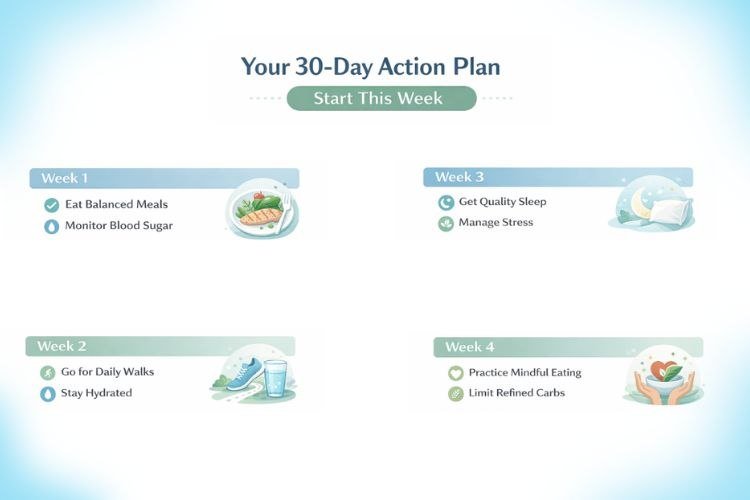
This Week:
- Schedule a blood sugar test with your doctor
- Replace one sugary drink with water daily
- Add one serving of vegetables to each meal
- Take a 15-20 minute walk after dinner
This Month:
- Start a regular exercise routine (3-5 days/week)
- Learn to read nutrition labels on products
- Make a meal plan for the week each Sunday
- Reduce your processed food intake by 50%
- Track how you feel in energy, mood, and sleep
This Quarter:
- Try to maintain consistent healthy habits
- Do follow-up blood sugar testing
- Share this information with family and friends
- Explore local nutrition or fitness classes
Frequently Asked Questions
What is blood sugar?
Blood sugar is the amount of sugar (called glucose) in your blood at every moment. Your body uses this sugar (glucose) as fuel so you can think, move, play, and even sleep.
Why is blood sugar important?
Blood sugar gives your whole body energy, from your head to your toes. It can harm your organs and make you sick if it stays too high or too low for a long time.
What is a normal blood sugar level?
Doctors use tests to measure it. For most people, fasting (before a meal) numbers are lower, and values rise after eating; your doctor can tell you the numbers that are right for you.
What happens if blood sugar is too high?
When your blood sugar is too high, you can experience signs like being very thirsty, having to pee a lot, feeling worn out, or having blurry or tunnel vision. It can harm your eyes, kidneys, heart, nerves, and blood vessels if it stays high for a long time.
Which foods should you avoid, and which ones help keep blood sugar steady?
The best foods to keep blood sugar levels steady are vegetables, whole grains, lentils, nuts, seeds, and lean meats. Stay away from sugary drinks, sweets, a lot of white bread or rice, and foods that have been cooked too much to keep your blood sugar levels steady.
Final Thoughts
At first, managing blood sugar might sound like a big science lesson, but contrary to that, it’s quite simple and easy. Your body sends warning symptoms every time if something goes wrong; you just have to understand them and take the required steps to prevent any long-term harm to your health.
You have full control, and by choosing the right food, exercising, getting enough sleep, and following other healthy habits, you can save yourself and manage your blood sugar without issue.
Start today. Make one change. Then another tomorrow. And with time, these small choices multiply into major health transformations.
Your 80-year-old self will thank you for the choices you make today.

I now use home remedies like turmeric tea and ginger every day. These simple, plant-based solutions help my body heal itself. Nature gives us all we need to stay healthy, without complicated formulas.