

Introduction
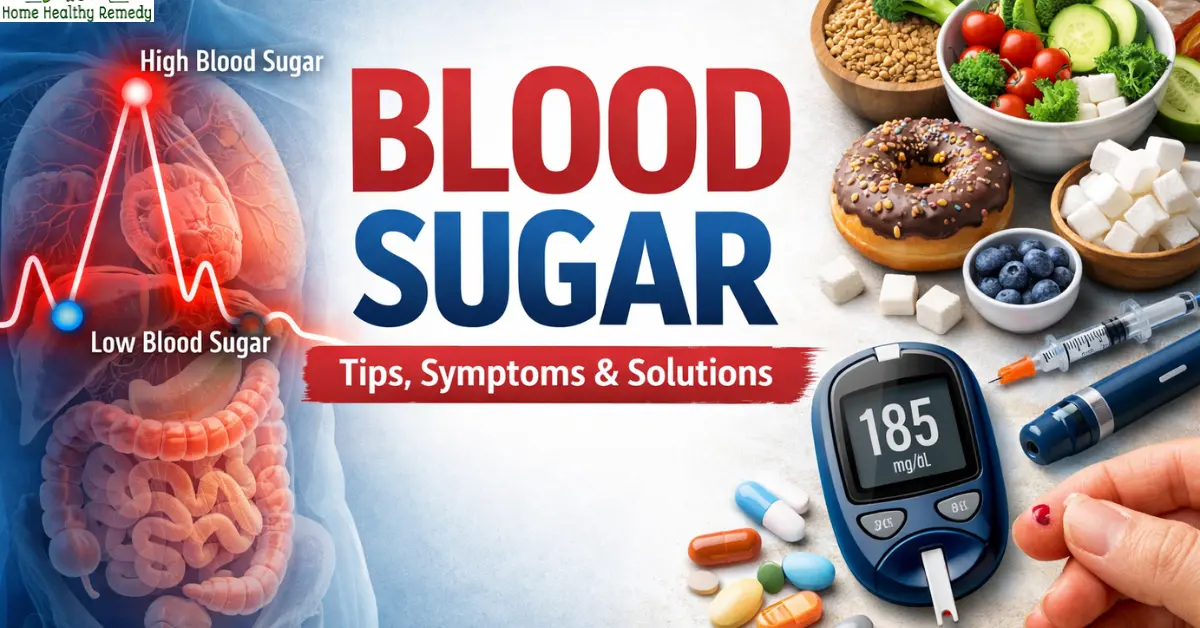
Blood sugar, also known as blood glucose, is the main source of energy production for your body, and properly maintaining it and keeping it at healthy levels is essential for your long-term health. Unbalanced blood sugar can lead to numerous serious health problems, including damage to your heart, eyes, kidneys, and nerves over time. That’s why it is important to keep your blood sugar balanced.
But before you can do anything about it, first you have to understand everything about blood sugar. In this helpful guide, you’ll learn everything you need to know for keeping yourself healthy. All information in this guide is based on trusted health experts and organizations such as the CDC, the American Diabetes Association (ADA), and many more.
What is Blood Sugar?
Blood sugar is the amount of sugar, or glucose, that is present in your blood at all times. Your body gets this glucose from the food you eat, especially those containing carbohydrates like rice, milk, fruits, and anything sweet.
- After eating, your body processes it into glucose, which goes into your bloodstream, and then it next goes to your cells for energy production.
- A hormone called insulin is released by your pancreas, which works like a key and helps glucose enter your cells from the blood to make energy.
If anything goes wrong and your body cannot make enough insulin or is unable to use it properly, your blood sugar levels can become imbalanced, which is harmful to your health and can lead to diabetes and other serious problems for many people.
Normal Blood Sugar
Everyone might give you different “normal” ranges of blood sugar, but usually they are very close and correct. The exact normal blood sugar range can also be different for every individual based on their age, health condition, and pregnancy. You should consult your doctor for the right number for yourself.
For your reference, I have provided a normal blood sugar level chart.
| Time or Situation | Normal Blood Sugar (without diabetes) | Normal Blood Sugar (with diabetes) |
| Fasting (at least 8 hours without eating) | Less than 100 mg/dL | Around 80-130 mg/dL |
| Before eating | Between 70 and 99 mg/dL | Around 80-130 mg/dL |
| 1-2 hours after eating | Less than 140 mg/dL | Less than 180 mg/dL |
Remember that these numbers in this normal blood sugar levels chart can be different for you, so always speak with your doctor about your normal blood sugar levels.
Blood Sugar Tests
Blood sugar tests help you and your doctor determine how much glucose (sugar) is present in your blood and how your body is using it. These tests help you to know your condition and act according to it quickly. Some of the important blood sugar tests are:
Fasting Blood Sugar Test
This test is most common for blood sugar. For this test, you must not eat anything for at least 8 hours beforehand. This test helps to show how your body is managing sugar while being busy with food processing. A normal result of this test is between 70 and 99 mg/dL.
Random Blood Sugar Test
You can get this test done at any time of the day, even after eating, unlike the previous one. It gives you an overview of how your body is working with sugar while doing daily activities. Less than 140 mg/dL is considered normal in this test.
A1C Test (HbA1C)
This test helps show how your blood sugar has been over the past 2–3 months. It is important for checking long-term sugar management.
Oral Glucose Tolerance Test (OGTT)
For this test, you have to drink a sugary liquid, and your blood sugar is checked after two hours. It helps you detect prediabetes or diabetes in early stages.
Who Should Get Tested?
If you are overweight, physically inactive, over 45 years old, have a family history of blood sugar issues, or have high blood pressure or cholesterol, you should get tested for blood sugar. This will help you detect blood sugar issues early, which will help you treat and manage them.
What is High Blood Sugar (Hyperglycemia)?
To understand this concept more easily, consider your body as a traffic controller and your blood sugar as the traffic it manages. Generally, your body uses a hormone called insulin to manage traffic (blood sugar) and move it into your cells for energy production. High blood sugar, also known as hyperglycemia, results from your body’s inability to regulate blood sugar levels.
Normally, such accumulation happens when your body makes insufficient insulin or cannot use it properly. Instead of being used as fuel for energy production, sugar starts to accumulate in your blood, which results in high blood sugar levels over time.
While you may feel fine at first, ignoring this situation can be deadly. It works like rust in your system over time, slowly affecting your health and could result in damage to your eyes, nerves, and kidneys.
Symptoms of High Blood Sugar
When your blood sugar is too high (hyperglycemia), your body tries to eliminate the excess sugar in different ways, which can serve as warning signs indicating that your blood sugar levels are elevated. Below, I have provided some of the most common high blood sugar symptoms. You should look out for:
Feeling very thirsty:
One of the most common and early signs is that you experience extreme thirst and crave water. Even after drinking more than enough water, you still feel thirsty. This symptom happens because your kidney tries to flush out extra sugar.
Frequent urination:
As indicated by the above symptom, you may feel extreme thirst and drink too much water because your kidneys are trying to flush out excess and unwanted sugar through urine. This results in a more frequent need for urination.
Very hungry:
One of the symptoms of high blood sugar is feeling hungrier than normal. In a high blood sugar condition, sugar is not delivered to cells for energy production. This makes your body think it’s low on resources, resulting in feeling more hungry.
Unwanted weight loss:
If you start losing weight without trying, it can be one of the symptoms of high blood sugar. This happens because your body isn’t using the sugar for energy production, so your body starts burning fat and muscle instead.
Feeling tired or weak:
In a high blood sugar condition, you feel drained, weak, sleepy, or out of energy. This makes it harder to concentrate or feel confused because your body isn’t getting enough energy.
Dry mouth and skin:
High blood sugar can make your mouth and skin feel dry. This occurs because high blood sugar leads to frequent urination.
Blurry vision:
High blood sugar can make your vision blurry and unclear. According to experts, it is also one of the symptoms of high blood sugar and helps you identify it.
Slow-healing:
High blood sugar may slow wound and infection healing by weakening the immune system and preventing blood flow. It is one of the common symptoms of high blood sugar.
These symptoms might appear slowly, and you may not notice them at first or think they are normal. But if you get many of these symptoms at once, it could mean your blood sugar is high.
What to Do if Blood Sugar Is High
If you are diagnosed with high blood sugar, you might feel scared or worry too much, but don’t worry, there are some ways to bring it into balance.
Drink water:
Try to stay hydrated; it helps your kidneys flush out extra sugar through urine. Drinking non-sugary fluids is recommended for high blood sugar.
Light exercise:
Doing light exercise daily is helpful for high blood sugar. Try to do at least 30 minutes of physical exercise, because it helps your muscles use sugar and lowers your levels.
Eat balanced meals:
Try to eat a healthy diet and avoid foods high in sugar. Adding more vegetables, whole grains, lean proteins, and fiber helps slow sugar absorption. Talk with your doctor for a better personalized meal plan.
Follow your treatment plan:
Try to follow your treatment plan as prescribed by your doctor. Don’t change anything on your own; always consult your doctor first.
Check your ketones:
Diabetes patients should test their ketones when their blood sugar levels are extremely high. If your ketones are very high, you need immediate medical care.
Adjust food intake:
Adapt your eating habits to suit your needs. If you’ve consumed more carbs than you might need, you might need to adjust it by increasing your activity levels. Don’t eat more than planned.
Limit sugary drinks and treats:
Try to avoid sugary drinks or at least limit how much you consume. Have more unsweetened drinks.
Don’t skip meals:
Try to eat at fixed times and don’t skip your meals. Skipping can cause blood sugar spikes and energy crashes.
Remember, if you feel uncomfortable or have any kind of issue, immediately speak with your doctor. He will help you with making a diet plan and recommending medication and a treatment plan according to your needs.
What is Low Blood Sugar (Hypoglycemia)?
To understand low blood sugar, you can consider your body as a car and sugar (glucose) as fuel. Your body needs a certain amount of sugar (glucose) to run smoothly, just like a car. When glucose (fuel) drops too much, your body isn’t able to run properly, just like a car without fuel.
This condition of your body, when your blood sugar levels drop very much, is medically known as hypoglycemia. It is basically when your body is low on blood sugar.
Generally, your body is excellent at balancing your blood sugar. Still, there are times that things like diabetes medication, skipping meals, or unexpected intense exercising can affect this process and lower your blood sugar. When your blood sugar level drops below 70 mg/dL, it comes into the danger zone, where your body stops getting the required energy.
When your blood sugar levels drop too much, you might feel shaky, sweaty, or just not focused. But you should not ignore this because if your levels fall below 54 mg/dL, it can even lead to fainting or seizures. After all, your brain is not getting the necessary energy to function properly. Your only option left is to quickly eat something sweet to get your sugar levels balanced.
Symptoms of Low Blood Sugar
Just as with high blood sugar, low blood sugar (hypoglycemia) also gives you warning signs. These symptoms usually start to appear when your blood sugar is constantly below 70 mg/dL, especially if you have diabetes and use insulin or some specific medicines. Some of the common symptoms of low blood sugar are:
Shaking or tremors:
You might notice or feel your hands or other body parts trembling. It can feel similar to the experience of being exposed to extreme cold or feeling nervous.
Sweating:
With low blood sugar, you might suddenly start sweating more than normal, even if you’re not exposed to hot temperatures.
Rapid heartbeat:
You might suddenly feel that your heartbeat is too fast without any reason. This is one of the common symptoms of low blood sugar.
Hunger:
In a low blood sugar condition, you can notice that you are feeling hungry more than usual. This happens because your body is not getting enough energy to function properly.
Dizziness or lightheadedness:
In this condition, you might suddenly feel faint or dizzy, like your head is spinning around.
Feeling anxious or irritable:
Low blood sugar makes you nervous, anxious, and very frustrated or irritated.
Headache:
Feeling a headache is also a common symptom of low blood sugar. This happens because your brain is not getting enough energy.
Confusion, difficulty speaking or concentrating:
Low blood sugar makes it difficult to focus, causes confusion, and even makes speaking difficult due to insufficient energy.
If you are getting these symptoms, you should immediately test your blood sugar levels. If your blood sugar levels are below normal, you don’t have to worry. With the doctor’s help and by following a healthy lifestyle, you can get your blood sugar balanced.
What to Do If Your Blood Sugar Is Low
If you get diagnosed with low blood sugar while testing, don’t panic; low blood sugar can be treated if you take action early and follow a healthy lifestyle. Below, I have provided some steps that you can add to your lifestyle.
Act quickly:
If you feel shaky, dizzy, sweaty, hungry, or weak often, you should quickly get your blood sugar tested. If it’s below 70 mg/dL, you should immediately act and take steps to try to stop it from getting worse.
Take quick sugar:
If you have low blood sugar and you get these signs, you should immediately eat or drink something that will increase your blood sugar quickly. Around 15-20 grams of quick sugar options are beneficial, such as:
- Glucose tablets or gel
- Half a glass of fruit juice (not diet)
- Half a can of regular soda
- One spoon of sugar or honey
Wait and check again:
Wait fifteen minutes after eating, and then check your blood sugar levels. Eat more and check your blood sugar again if it is still low.
Eat a small snack:
Once you get your blood sugar balanced, eat something like bread with peanut butter or something else to keep it steady.
Get help in emergencies:
If you start to feel faint, someone else has a seizure, or you get more than 2–3 symptoms at once, you should immediately contact emergency services.
Why Does Blood Sugar Go Up and Down?
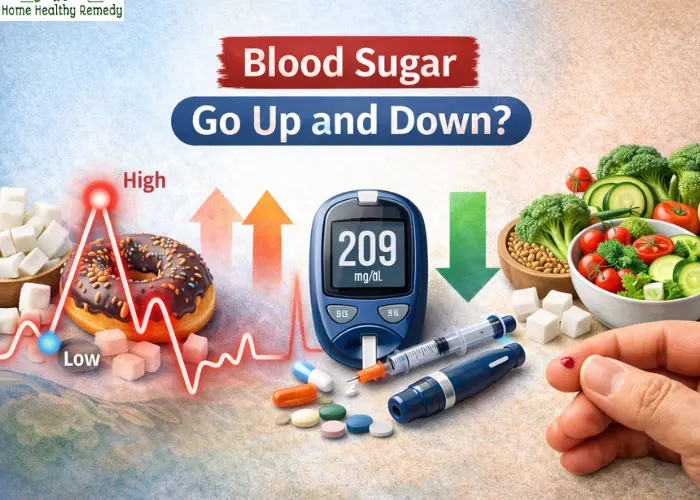
Your blood sugar levels change all day based on your activities, diet, and mood. Below, I have provided reasons why your blood sugar fluctuates so much.
Some of the reasons your blood sugar might go up include:
- Consuming excessive amounts of sugary food or high-carbohydrate options such as bread and pasta can lead to an increase in blood sugar levels.
- Not being physically active.
- Your body may not be able to use insulin properly or produce enough of it.
- Certain medicines can make your blood sugar increase.
Some of the reasons your blood sugar might go down include:
- You may be skipping meals or not eating enough.
- Doing too much physical exercise can be difficult without proper nutrition.
- Taking medication without a proper prescription or not adhering to the recommended dosage is another common mistake.
- Hot temperature, consuming alcohol without eating anything, or having issues with your liver or kidneys can also drop your blood sugar.
How to Manage Blood Sugar
Below, I have provided some simple and healthy habits that can help you keep your blood sugar balanced and your body overall healthy, too.
Diverse Food Options:
Don’t fill your plate with only one food. Try to add different types of options, which will help you have all the essential things at once.
Eat Veggies First:
You should consume vegetables and protein before eating bread, rice, or sugary foods. This slows down sugar absorption in your blood.
Start with Breakfast:
You should always try to eat a healthy breakfast. This helps from feeling all powerful in the morning and crashing later.
Move Your Body:
You should do at least 30 minutes of physical exercise daily. It can be anything like playing a sport you enjoy, just walking, or having gym sessions.
Stay Hydrated:
Drink enough water so you don’t get dehydrated. Try to avoid sugary sodas or juice and prefer simple water.
Watch Your Portions:
You should not eat too much at once. Fix your portion and avoid eating more than that.
Get Your Sleep:
You must get 7–9 hours of sleep. It helps your body reset and function more efficiently so that it can manage sugar better.
Stay Calm:
If you are stressed, try meditation, take long breaths, and engage in other destressing activities.
Blood Sugar Monitors and Continuous Sensors
Many people want to check their blood sugar levels at home and see which foods affect them. These two are the most common methods to monitor your blood sugar levels.
Blood Sugar Monitor (Glucometer)
This procedure is the most commonly used method. You extract a small drop of blood, place it on a test strip, and put it on the meter. Within seconds or minutes, the screen shows your blood sugar levels. It is simple, affordable, and useful for anyone and anytime.
Continuous Glucose Monitoring (CGM)
In this, there is a small sensor placed under the skin to continuously check and monitor your blood sugar levels. This sensor sends the result to your phone or reader machine. CGM helps us see patterns and gives warning signs for high or low blood sugar without taking blood repeatedly.
When to See a Doctor
I have mentioned some situations. If you are having any of these, you should immediately talk to a doctor.
- When you often get low blood sugar symptoms like feeling shaky, sweating more, dizziness, or not being able to focus.
- You often experience symptoms of high blood sugar, like feeling extreme thirst, frequent urination, feeling drained, or blurry vision.
- Your blood sugar levels exceed the recommended range prescribed by your doctor.
- You are feeling nausea, vomiting, stomach pain, or deep, rapid breathing when you have a high blood sugar condition.
- If you are having symptoms like fainting, having seizures, or feeling very confused and unfocused.
Note: You should immediately contact emergency services if you or someone else is experiencing these situations.
Final Thoughts
By understanding blood sugar, you can keep your levels healthy and balanced without much hardship. When you maintain normal blood sugar levels, your body also works better. You feel healthier. Knowing about low blood sugar symptoms and high blood sugar symptoms helps you detect issues fast and act to prevent them from getting worse.
Small, healthy habits like eating a balanced meal, exercising daily, and knowing how to lower your blood sugar or how to balance your blood sugar can be helpful in managing blood sugar and keeping yourself healthy.
If you have any kind of issue or experience any symptoms, immediately talk to your doctor or a trusted adult for the best advice. By learning the right knowledge and healthy habits, you might have an awesome, healthy tomorrow!
Frequently Asked Questions
1. What is blood sugar, and why is it important?
Blood sugar is a source of energy extracted from foods to keep you functioning properly. Maintaining normal blood sugar levels helps you feel active and reduces the risk of long-term health problems like diabetes.
2. What are normal blood sugar levels?
Normal blood sugar levels depend on whether you have eaten or not. Normally, blood sugar levels between 70 and 99 mg/dL are considered normal.
3. What are low blood sugar symptoms?
With low blood sugar, you might get symptoms like sweating, shakiness, feeling hungrier, dizziness, confusion, or a rapid heartbeat.
4. What are the symptoms of high blood sugar?
Some common symptoms of high blood sugar include extreme thirst, frequent urination, fatigue, blurred vision, and migraines. Knowing these symptoms will help you spot them early.
5. How can I monitor my blood sugar at home?
A blood sugar monitor (a type of medical device) helps you check your levels easily. These are easily available in the market.
6. How to reduce blood sugar level immediately?
If your blood sugar levels are too high, light exercise, drinking water, and eating food with a low glycemic index (LGI) might help you lower your blood sugar. However, always follow your doctor’s advice because it’s more personalized according to your needs.
